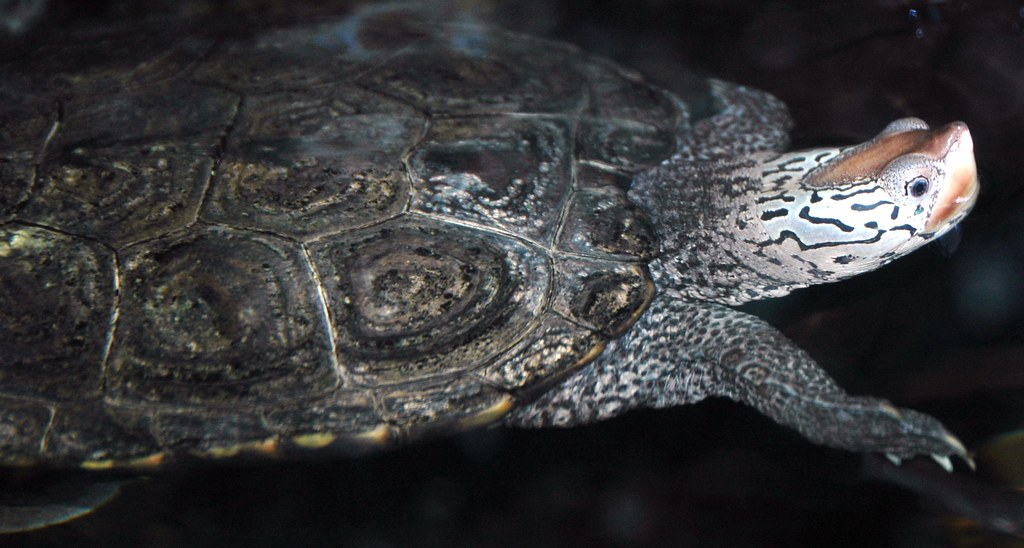
The Triassic armored amphibian has turned the seafloor into a living nightmare, showcasing the harsh realities of prehistoric life. This fascinating creature offers insights into the evolution of marine ecosystems during the Triassic period.
What is the Triassic armored amphibian?
The Triassic armored amphibian, a remarkable creature from the past, has captured the imagination of both scientists and enthusiasts alike. This extraordinary amphibian thrived during the Triassic period, approximately 250 to 200 million years ago. Its unique physical characteristics set it apart from other creatures of its time.
Primarily, the Triassic armored amphibian was known for its distinctive protective armor, which consisted of bony plates covering its body. This adaptation likely served as a defense mechanism against predators in its environment. Its body structure allowed it to navigate both aquatic and terrestrial habitats, showcasing its versatility.
Additionally, this amphibian’s diet comprised a variety of prey, ranging from smaller fish to invertebrates, making it an opportunistic feeder. Paleontologists believe that the Triassic armored amphibian played a crucial role in the ecosystem, influencing the dynamics of the seafloor habitat.
Despite its fascinating traits, the presence of the Triassic armored amphibian often invoked fear among other marine life. Its aggressive feeding habits and formidable appearance contributed to its reputation as a dominant predator. As research continues, the legacy of this ancient creature endures, reminding us of the diverse and sometimes terrifying life forms that once roamed our planet.
The role of armored amphibians in the ecosystem
The Triassic armored amphibian played a significant role in its ecosystem, influencing both marine and terrestrial environments during the Triassic period. These fascinating creatures, with their protective exoskeletons, were not only marvels of evolution but also key players in their habitats.
As predators, the armored amphibians helped maintain population balances among smaller marine life. Their presence ensured that no single species could dominate, promoting biodiversity within the ecosystem. In addition, their feeding habits contributed to nutrient cycling in the seafloor, as they consumed various organisms and released waste products that benefited other marine species.
Furthermore, the armored amphibians served as prey for larger predators, thereby forming an essential link in the food web. Their unique adaptations allowed them to thrive in various aquatic environments, which ultimately supported a diverse array of life forms.
However, their dominance also had darker implications. As they competed with other species, the Triassic armored amphibian could have contributed to the decline of certain organisms, creating an ecological balance that was sometimes precarious. The evolutionary arms race in which they participated showcases the complex interactions that define ecosystems, leaving a lasting impact on the world as we know it today.
How did the Triassic seafloor change?
The Triassic seafloor experienced significant transformations due to the presence of the Triassic armored amphibian. This remarkable creature not only thrived in its environment but also played a crucial role in altering the ecological landscape. As these amphibians roamed the shallow waters, they disrupted the sediment on the seafloor, leading to a variety of changes.
One of the primary impacts was the mixing of sediments, which affected the habitats of many marine organisms. The armored amphibians’ feeding habits contributed to the disturbance of the seafloor, causing:
- Increased turbidity: The movement of sediment reduced water clarity, impacting photosynthetic organisms.
- Altered nutrient distribution: The mixing of sediments affected the availability of nutrients, influencing the growth of various marine species.
- Habitat disruption: The armored amphibians created both opportunities and challenges for other life forms, as they reshaped the ecosystem.
Through their interactions with the seafloor, the Triassic armored amphibian not only survived but thrived, ultimately transforming their environment into a complex web of life that reflected their dominance during this period. This transformation has left a lasting legacy in the fossil record and our understanding of Triassic ecosystems.
Impact of climate on Triassic life
The climate during the Triassic period played a crucial role in shaping the life forms that existed, including the infamous Triassic armored amphibian. With fluctuating temperatures and varying levels of precipitation, the environment was both a challenge and an opportunity for evolution.
During this time, the Earth experienced a significant shift in climate, which resulted in:
- Increased temperatures: Higher temperatures led to the expansion of habitats, allowing the Triassic armored amphibian to thrive in diverse environments.
- Desiccation: Prolonged dry spells forced many aquatic species to adapt or perish, favoring those like the armored amphibian that could withstand harsh conditions.
- Altered food chains: Changes in vegetation patterns directly impacted the availability of food, leading to fierce competition among species.
These climatic conditions not only influenced the distribution of the armored amphibian but also its behavior and survival strategies. As a dominant predator, it played a significant role in the aquatic ecosystem, contributing to the transformation of the seafloor into a complex food web. The interplay between climate and life during the Triassic period remains a topic of ongoing research and fascination.
Fossil evidence and discoveries
Fossil evidence of the Triassic armored amphibian has revealed a complex picture of its existence and adaptations during the Triassic period. Numerous discoveries made in various locations have provided insights into its morphology and behavior.
- The first significant find was in what is now modern-day North America, where well-preserved skeletons displayed robust armor plating.
- In Europe, paleontologists unearthed fossils that indicated a range of sizes, suggesting that these amphibians occupied various ecological niches.
- Recent excavations in South America have uncovered traces of their diet, pointing to a diverse intake of both aquatic and terrestrial organisms.
These findings support the theory that the Triassic armored amphibian was not only a formidable predator but also an important prey species, influencing the food web dynamics of its time. Additionally, the unique structure of their armor suggests adaptations to diverse habitats, from shallow waters to more terrestrial environments.
As researchers continue to explore new sites, the fossil record may offer even more surprises, further elucidating the role these creatures played in shaping the Triassic ecosystem and their eventual extinction.
Lessons from Triassic marine life
The study of Triassic marine life reveals significant lessons about evolutionary adaptation and ecological dynamics. The Triassic armored amphibian, a formidable creature of its time, offers insights into how ancient species interacted with their environments and the impact of their presence on both land and sea.
Key lessons drawn from this era include:
- Adaptive Evolution: The Triassic armored amphibian exemplified how organisms can develop specialized features, such as armor plating, to survive predation in a competitive ecosystem.
- Ecological Interdependence: The presence of armored amphibians influenced the food web, affecting both prey and predator species in the marine environment.
- Environmental Change: Understanding the adaptations of these creatures helps scientists comprehend how species respond to shifts in climate, habitat, and resource availability.
- Fossil Records: The fossilized remains of Triassic armored amphibians serve as crucial indicators of historical biodiversity and ecosystem health.
By examining these ancient amphibians, researchers can better understand the resilience and vulnerabilities of life forms in the context of ongoing environmental challenges, providing a stark reminder of the potential consequences of current climate change.
By James St. John via Openverse