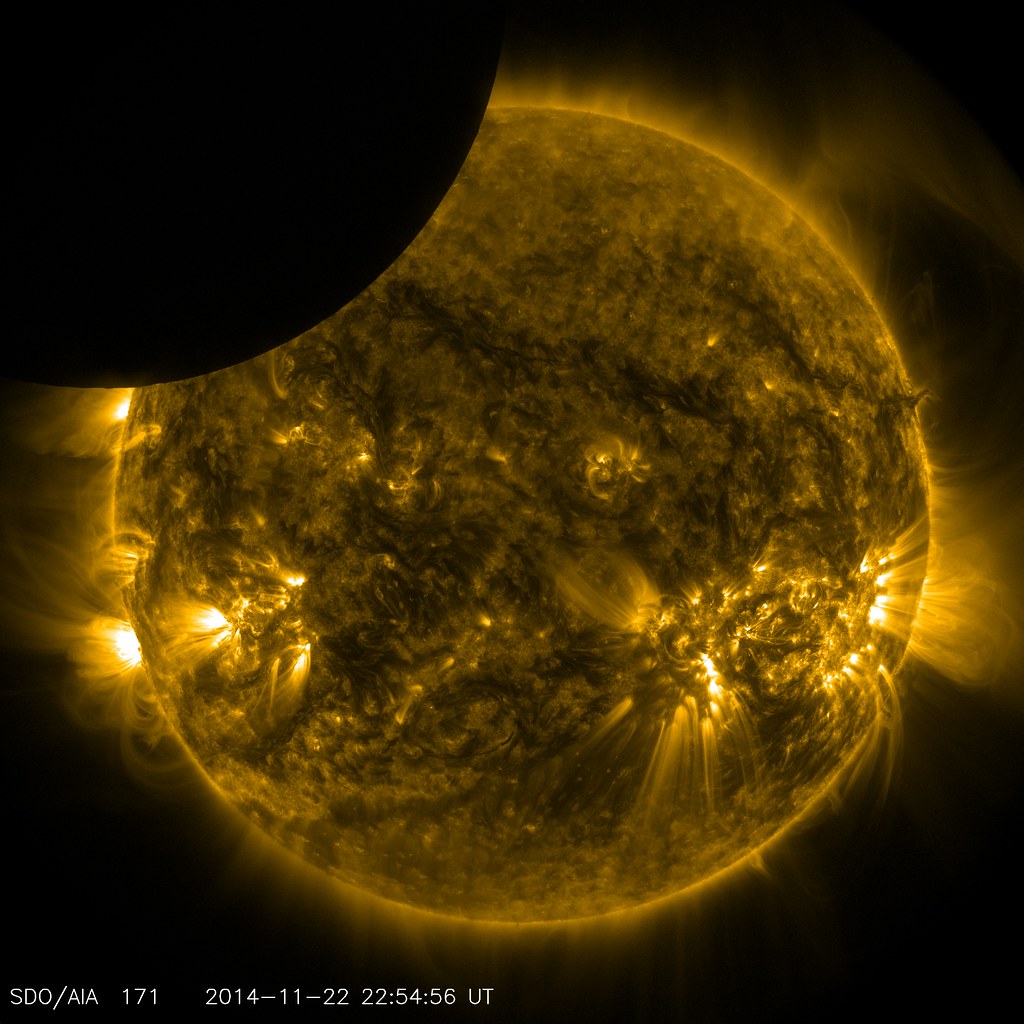
Venus mysterious haze has puzzled scientists for years, but recent findings reveal it is actually composed of cosmic dust. This discovery sheds light on the planet’s atmospheric conditions.
What is Venus’ Mysterious Haze?
Venus’ mysterious haze has intrigued scientists and astronomers for centuries. This thick layer of clouds that envelops the planet is not merely a product of its harsh atmosphere but is predominantly composed of cosmic dust. This dust originates from various sources, including comets and asteroids, which contribute to the planet’s enigmatic appearance.
The haze is primarily made up of sulfuric acid droplets, which scatter sunlight and create a thick, reflective layer. However, the real surprise lies in the presence of microscopic particles that are believed to be remnants of interstellar material. These particles play a crucial role in the cloud formation and contribute to the overall climate and weather patterns on Venus.
Scientists have been investigating the implications of this cosmic dust, as it could provide insights into the planet’s history and its atmospheric processes. The interaction between the dust and the sulfuric acid clouds creates complex chemical reactions that may reveal more about Venus’ geological and climatic evolution.
Understanding Venus’ mysterious haze is essential for unraveling the secrets of our neighboring planet and exploring the broader implications for planetary science.
The Role of Cosmic Dust in Venus’ Atmosphere
The atmosphere of Venus is enveloped in a thick layer of clouds, which has long intrigued scientists. Recent studies suggest that this Venus mysterious haze is not merely a result of atmospheric gases but is significantly influenced by cosmic dust. This dust originates from various sources, including comets and asteroids, and plays a pivotal role in shaping the planet’s atmospheric composition.
Cosmic dust interacts with solar radiation, affecting the temperature and chemical reactions within Venus’ clouds. Researchers have identified that the particles scatter sunlight, contributing to the planet’s distinctive yellowish appearance. Additionally, the presence of this dust can alter the dynamics of the atmosphere, impacting weather patterns and cloud formation.
There are several key aspects of cosmic dust’s role in Venus’ atmosphere:
- Light Scattering: Cosmic dust scatters sunlight, which affects how light penetrates the atmosphere.
- Temperature Regulation: Dust particles can absorb heat, influencing temperature distribution within the clouds.
- Chemical Interaction: Dust may facilitate chemical reactions, contributing to the unique composition of Venus’ haze.
Understanding the role of cosmic dust is crucial for unraveling the mysteries of the Venus mysterious haze and its implications for planetary science.
Implications for Planetary Science
The discovery that Venus’ mysterious haze is primarily composed of cosmic dust has significant implications for planetary science. Understanding the composition of this haze can provide valuable insights into the atmospheric processes at work on Venus and other celestial bodies.
Researchers have identified several key implications stemming from this finding:
- Atmospheric Composition: The presence of cosmic dust suggests that particle interactions in the atmosphere play a crucial role in shaping weather patterns and climate on Venus.
- Planetary Formation: Analyzing the characteristics of the cosmic dust can reveal information about the formation and evolution of Venus, offering parallels to other planets.
- Astrobiological Potential: Understanding the haze may also inform studies on the potential for life in extreme environments, guiding future missions to explore Venus.
- Comparative Planetology: Insights gained from Venus can enhance our understanding of atmospheric phenomena on other planets, including Earth and Mars.
As scientists continue to study Venus’ mysterious haze, these implications will deepen our grasp of planetary systems and the dynamic processes that govern them, revealing the complexities of our neighboring worlds.
Recent Discoveries About Venus
Recent discoveries have shed new light on Venus’ mysterious haze, revealing that it is primarily composed of cosmic dust. Researchers have long speculated about the origins and composition of this enigmatic feature, but new data from space missions and ground-based observations provide compelling evidence of its true nature.
One significant finding is that the haze consists of tiny particles that originate from various sources, including interstellar dust and materials ejected from asteroids and comets. This cosmic dust plays a critical role in the planet’s atmosphere, influencing its chemical composition and climate.
Moreover, scientists have begun to explore how the presence of this dust interacts with Venus’ thick clouds of sulfuric acid. The interplay between the haze and these clouds might affect the planet’s temperature and weather patterns, creating a complex system that is still not fully understood.
As researchers continue to study the haze, they aim to answer key questions about its formation and impact. Understanding the nature of Venus’ mysterious haze could not only illuminate the planet’s atmospheric dynamics but also enhance our knowledge of similar processes occurring on other celestial bodies.
In summary, the revelations surrounding Venus’ mysterious haze emphasize the importance of cosmic dust in shaping our understanding of planetary atmospheres.
The study of Venus mysterious haze has revealed intriguing insights into the planet’s atmosphere. Scientists are now investigating how this Venus mysterious haze affects the planet’s climate and potential for habitability.