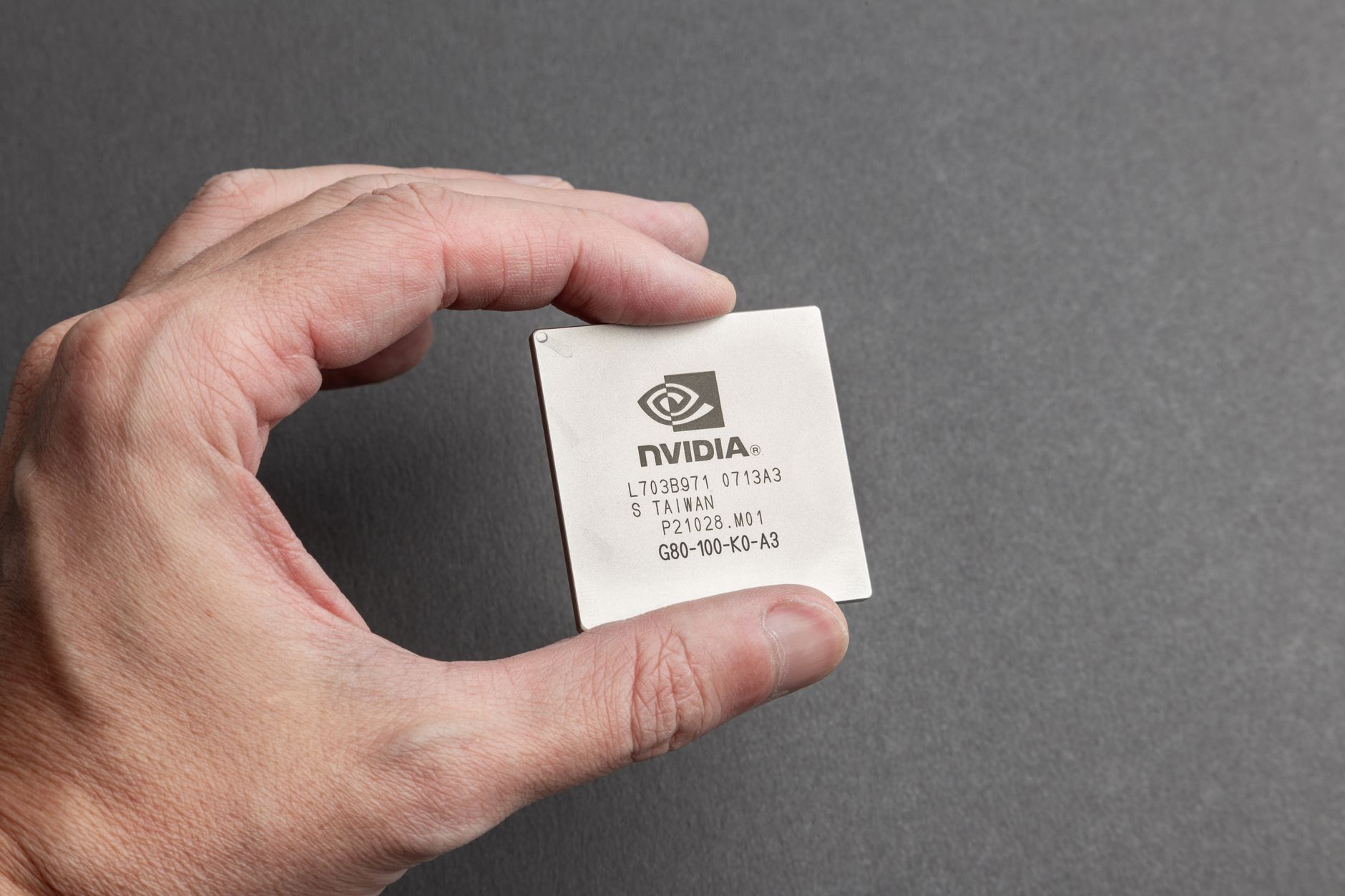
Nvidia Blackwell Chips are revolutionizing AI technology in business applications. As companies explore the potential of these chips, their impact on AI models and supply networks becomes increasingly clear.
Introduction to Nvidia Blackwell Chips
Nvidia has recently unveiled its latest innovation, the Blackwell Chips, which are poised to revolutionize the AI landscape for businesses. These chips are designed to enhance computational efficiency and streamline processing capabilities, making them an attractive option for organizations looking to optimize their AI workloads.
The Blackwell Chips are the result of extensive research and development, addressing the growing demand for powerful hardware capable of supporting complex AI models. As companies increasingly rely on artificial intelligence, the need for robust and efficient computing solutions has never been greater.
With a significant investment of $12 billion in a comprehensive supply network, Nvidia aims to ensure that the Blackwell Chips are readily available to meet the escalating needs of the market. This strategic move could solidify Nvidia’s position as a leader in AI technology.
Impact of AI on Business
The impact of artificial intelligence (AI) on businesses has been profound, reshaping industries and driving innovation. Companies are increasingly turning to advanced technologies to enhance efficiency and streamline operations.
With the introduction of Nvidia Blackwell Chips, businesses are presented with a powerful tool to leverage AI capabilities. These chips are designed to optimize machine learning processes, enabling organizations to analyze vast amounts of data quickly and accurately.
The benefits of integrating AI into business operations include:
- Improved decision-making: AI systems can provide insights that help leaders make informed choices.
- Cost reduction: Automation of routine tasks can lead to significant savings.
- Enhanced customer experiences: AI can personalize services, leading to greater satisfaction.
As businesses continue to embrace AI, the role of technologies like Nvidia Blackwell Chips will be crucial for success.
Exploring Chinese AI Models
As businesses increasingly turn to artificial intelligence, the emergence of Nvidia Blackwell Chips has prompted comparisons with Chinese AI models. These models, developed by leading tech firms in China, have gained traction for their performance and efficiency.
Chinese AI solutions often emphasize rapid development cycles and cost-effectiveness, appealing to startups and established businesses alike. Notably, the integration of cloud computing and big data analytics in these models allows for seamless scalability.
However, Nvidia’s Blackwell Chips are designed to optimize deep learning tasks and enhance computational power, making them a compelling choice for enterprises with demanding AI applications. The competition between these technologies is heating up, with businesses weighing the benefits of each to find the best fit for their operational needs.
Ultimately, the decision may come down to specific use cases and the strategic goals of individual organizations.
The $12 Billion Supply Network
The supply chain behind the Nvidia Blackwell Chips is a crucial aspect of their successful deployment in the AI landscape. This extensive network, valued at approximately $12 billion, involves numerous partners and components that ensure these advanced chips reach businesses efficiently.
Key elements of this supply network include:
- Raw Materials: Sourcing essential materials like silicon and rare earth metals.
- Manufacturing: Collaborations with leading fabrication facilities to produce high-quality chips.
- Logistics: Efficient transportation systems that minimize delays and costs.
With the growing demand for AI solutions, the Nvidia Blackwell Chips are designed to meet the needs of businesses looking to leverage AI technologies. The robust supply network ensures that these chips remain accessible, further solidifying their position as a top choice in the market.
Comparing AI Technologies
As businesses increasingly look to leverage artificial intelligence, comparing various technologies becomes crucial. While traditional chips have served many companies well, the introduction of the Nvidia Blackwell Chips marks a significant shift in capabilities. These chips are designed to enhance computational efficiency and performance, which is essential for AI workloads.
In comparison to established models, the Nvidia Blackwell Chips offer:
- Higher processing speeds: With advanced architecture, they can handle more data simultaneously.
- Energy efficiency: Reduced power consumption leads to lower operational costs.
- Scalability: Businesses can easily scale their AI applications without a complete hardware overhaul.
In contrast, other AI technologies may struggle to keep pace with the evolving demands of modern business environments. This makes the Nvidia Blackwell Chips a compelling choice for companies looking to stay competitive.
Future of AI in Business
The future of AI in business is poised for transformation, with technologies like the Nvidia Blackwell Chips leading the charge. As organizations increasingly adopt AI solutions, the demand for high-performance computing will only grow. The versatility of these chips makes them suitable for a range of applications, from data analysis to machine learning, ultimately enhancing operational efficiency.
Businesses are recognizing that integrating AI can provide a competitive edge, allowing for more informed decision-making and streamlined processes. With the rapid advancement in AI technologies, companies that invest in robust hardware like the Nvidia Blackwell Chips may find themselves at the forefront of innovation.
Furthermore, as AI systems evolve, so too must the infrastructure that supports them. The ongoing development of powerful chips signals a commitment to meeting the ever-increasing demands of the business landscape.
Challenges with AI Integration
As businesses increasingly turn to AI solutions, the integration of advanced technologies like Nvidia Blackwell Chips presents several challenges. Organizations often face difficulties in aligning their existing infrastructure with new AI systems, leading to potential disruptions in operations.
Moreover, the cost of implementing these sophisticated chips can be prohibitive, especially for smaller enterprises. There is also a steep learning curve associated with utilizing the full potential of Blackwell Chips, which may require specialized training for staff.
Additionally, the rapid pace of technological advancement means that businesses must stay vigilant about ongoing updates and improvements. As a result, companies may experience uncertainty while trying to adapt to evolving AI landscapes.
Ultimately, while Nvidia Blackwell Chips offer promising capabilities, businesses must navigate these challenges to fully leverage AI’s potential.
Conclusion and Insights
In conclusion, the introduction of Nvidia Blackwell Chips marks a significant advancement in the AI landscape, particularly for businesses seeking efficient and powerful solutions. These chips promise enhanced processing capabilities that can handle complex AI tasks, making them an attractive option for various industries.
As companies continue to integrate AI technologies, the competition among chip manufacturers will likely intensify, impacting pricing and accessibility. While the benefits of Nvidia Blackwell Chips are evident, businesses must also navigate challenges related to AI adoption, including data privacy and integration costs.
Ultimately, the decision to adopt Nvidia Blackwell Chips should be based on a thorough assessment of specific business needs and objectives. As the AI market evolves, staying informed about technological advancements will be crucial for companies aiming to leverage AI effectively.
Photo by Stas Knop on Pexels