IRS tax credits AI are at the forefront of Meta’s recent financial strategies. The company claims billions in tax credits for its experimental AI data centers, highlighting the potential for significant savings and innovation in the tech industry.
Understanding IRS Tax Credits
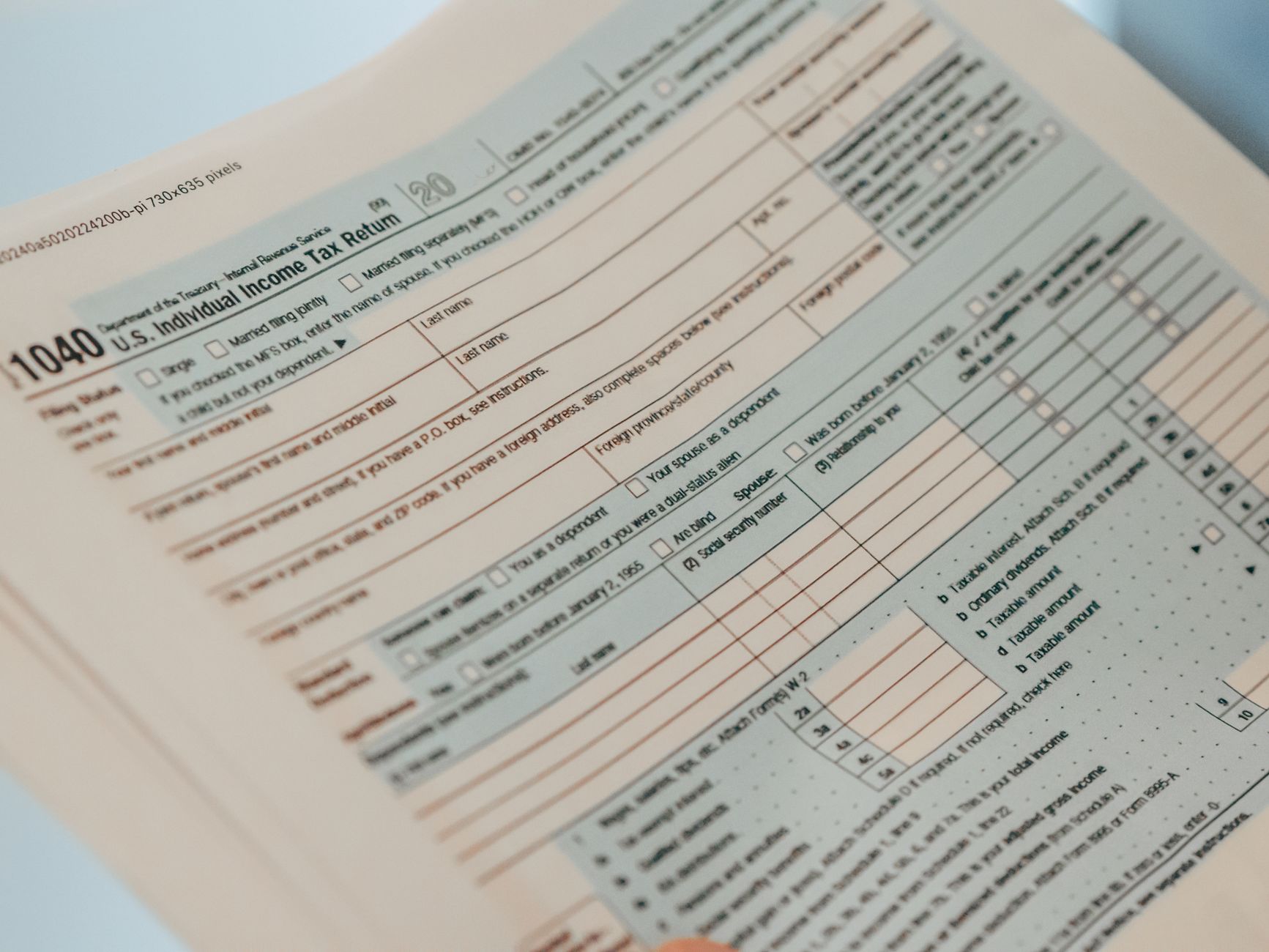
The IRS offers various tax credits designed to incentivize investment in specific sectors, including technology and innovation. These credits can significantly reduce the tax burden for companies that engage in qualifying activities. For instance, companies involved in research and development (R&D) activities may be eligible for the Research Tax Credit, which allows them to claim a percentage of their expenses related to R&D efforts.
Meta’s recent claims of billions in IRS tax credits highlight the potential for large tech firms to benefit from these incentives, particularly in the realm of artificial intelligence (AI). By developing advanced data centers that support AI technologies, Meta is leveraging these tax credits to offset substantial operational costs.
Understanding the nuances of IRS tax credits is crucial for businesses aiming to maximize their financial benefits. Here are some key points to consider:
- Eligibility: Companies must meet specific criteria to qualify for various tax credits.
- Application Process: Filing for tax credits requires thorough documentation and adherence to IRS guidelines.
- Impact on Investment: Tax credits can enhance the return on investment for companies engaging in innovative projects.
By navigating these credits effectively, firms like Meta can continue to grow their technological capabilities while receiving substantial financial relief.
Meta’s AI Data Centers Explained
Meta has made significant investments in artificial intelligence, leading to the establishment of advanced AI data centers. These facilities are designed to support the company’s growing demand for AI processing power, enabling more efficient data handling and enhanced machine learning capabilities.
These data centers utilize cutting-edge technology to optimize performance while minimizing energy consumption. Here are some key features of Meta’s AI data centers:
- Scalability: The infrastructure is built to easily scale according to the demands of various AI applications, allowing for rapid expansion as needed.
- Energy Efficiency: Innovative cooling systems and energy management strategies lead to reduced operational costs and a lower carbon footprint.
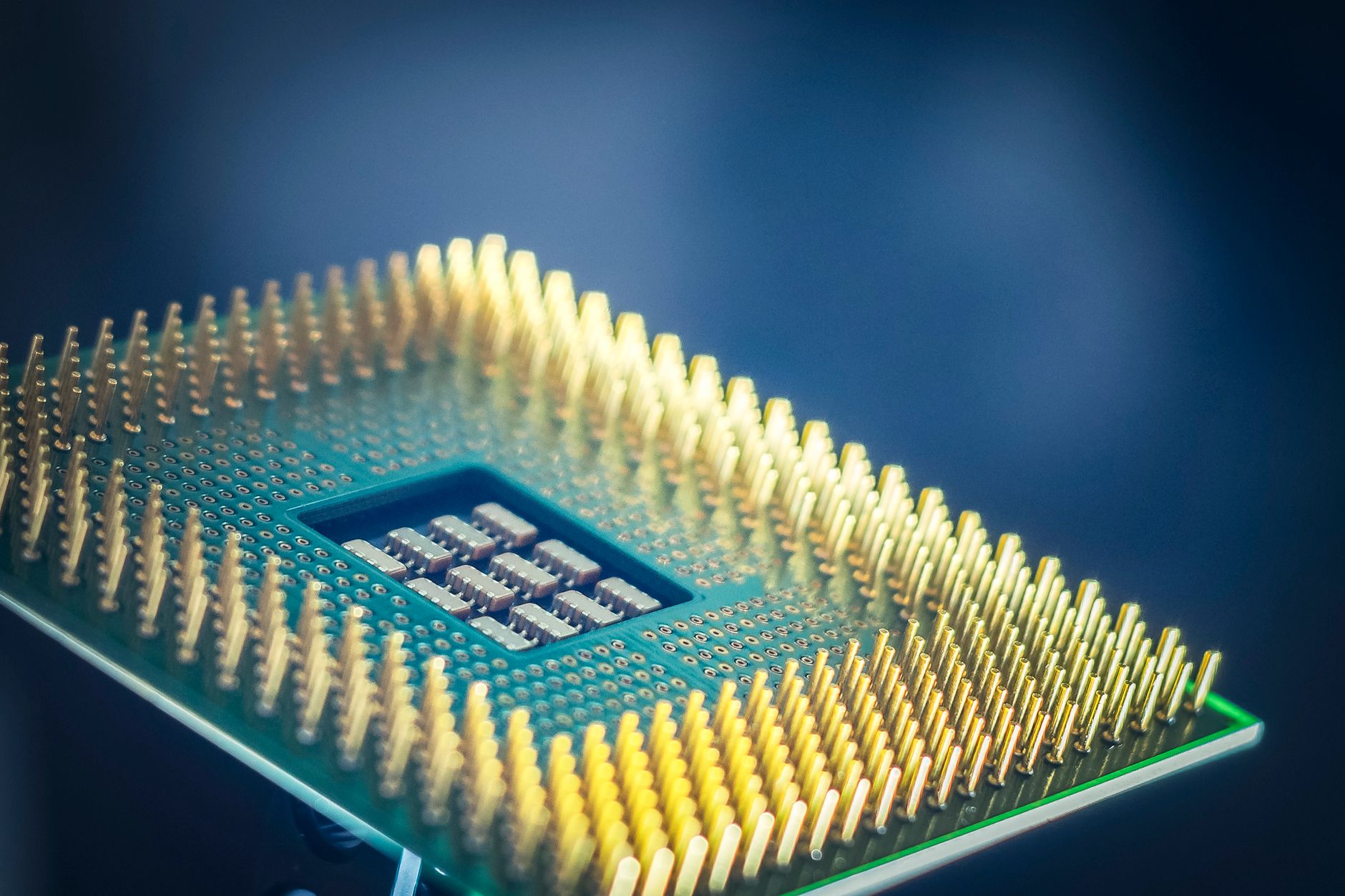
- Advanced Hardware: The use of specialized processors and hardware accelerators improves processing speeds, which is crucial for training complex AI models.
With these advancements, Meta is not only enhancing its capabilities but also claiming substantial IRS tax credits for its investment in experimental AI data centers. This initiative demonstrates how companies can leverage IRS tax credits related to technology investments, making it a strategic move in the ever-evolving landscape of artificial intelligence.
The Financial Impact of Tax Credits
The financial impact of IRS tax credits on Meta’s experimental AI data centers is significant, showcasing how these incentives can drive innovation and investment. By leveraging various tax credits offered by the IRS, Meta has reportedly claimed billions, enabling the company to expand its operations while promoting cutting-edge technology development.
These tax credits provide substantial financial relief, allowing Meta to allocate resources more efficiently. The direct benefits include:
- Reduced operating costs: By minimizing tax liabilities, Meta can reinvest savings into further AI research and development.
- Increased job creation: The expansion of data centers leads to new job opportunities, stimulating local economies.
- Enhanced technological advancements: With a focus on AI, these tax incentives encourage innovation that can benefit various sectors.
Moreover, the strategic use of IRS tax credits is becoming a vital component of Meta’s overall financial strategy. As the company continues to scale its AI initiatives, the positive financial impact of these credits is expected to play a crucial role in its long-term sustainability and growth. The effectiveness of IRS tax credits in fostering such advancements underlines their importance in the tech industry.
How Meta is Innovating with AI
Meta is at the forefront of innovation, leveraging artificial intelligence to enhance its data center operations. By integrating advanced AI technologies, the company is not only improving efficiency but also positioning itself to maximize benefits from IRS tax credits. These credits, aimed at encouraging research and development, provide substantial financial incentives for companies investing in innovative technologies.
Through their AI-driven data centers, Meta is able to achieve remarkable operational efficiencies. The use of machine learning algorithms allows for real-time optimization of energy consumption and cooling processes, which significantly reduces operational costs. This innovative approach not only contributes to sustainability efforts but also aligns with the criteria established by the IRS for qualifying tax credits.
Moreover, Meta’s commitment to experimental AI technologies is evident in their ongoing projects. The company continually explores cutting-edge applications, ensuring they remain at the leading edge of AI advancements. As a result, Meta is not only setting industry standards but is also strategically positioned to take full advantage of IRS tax credits for experimental AI data centers, ultimately driving their growth and sustainability initiatives.
Challenges in Claiming Tax Credits
While the potential for IRS tax credits related to AI initiatives is significant, several challenges persist for companies like Meta in claiming these benefits. Navigating the complex landscape of tax regulations can be daunting, particularly when it comes to ensuring compliance with the specific requirements set forth by the IRS.
Among the primary challenges are:
- Documentation Requirements: Companies must maintain meticulous records to substantiate their claims, including detailed descriptions of the AI projects and their expected outcomes.
- Eligibility Criteria: The IRS outlines specific eligibility criteria for tax credits, which can vary based on the nature of the AI technology and its application within the data centers.
- Changing Regulations: Tax laws are subject to change, and keeping abreast of new regulations can be a significant hurdle for businesses trying to maximize their benefits from IRS tax credits.
- Time-Consuming Process: The process of applying for and securing tax credits can be lengthy, often requiring extensive collaboration between various departments within the company.
Despite these challenges, the potential rewards associated with IRS tax credits for AI projects can provide substantial financial relief and drive further innovation in the tech industry.
Future of AI and Tax Incentives
The future of artificial intelligence (AI) in the realm of tax incentives appears promising, particularly as companies like Meta explore innovative applications of IRS tax credits. As AI technology continues to advance, it is likely that the government will adapt and expand its tax credit offerings to encourage further investment in research and development.
In the coming years, we may see a shift in how businesses leverage IRS tax credits for AI initiatives, leading to:
- Increased Collaboration: Partnerships between tech companies and government agencies could foster a more robust ecosystem for AI advancements.
- Enhanced Innovation: Companies may be motivated to experiment with cutting-edge AI technologies, knowing they can benefit from tax incentives.
- Greater Accessibility: Simplifying the process for claiming IRS tax credits may encourage smaller firms to invest in AI, leveling the playing field.
- Long-term Sustainability: Ongoing support through tax incentives can ensure that advancements in AI are not only rapid but also sustainable.
Ultimately, as more companies like Meta take advantage of IRS tax credits for their AI projects, the landscape of technological innovation is likely to evolve significantly, reshaping industries and driving economic growth.
Industry Reactions to Meta’s Claims
Industry reactions to Meta’s claims regarding IRS tax credits for its AI data centers have been mixed, with experts weighing the potential benefits against the concerns surrounding the claims.
Some industry analysts have welcomed Meta’s innovative approach, emphasizing the importance of AI in enhancing efficiency and productivity. They argue that the IRS tax credits could encourage more companies to invest in similar technologies, ultimately benefiting the broader economy. According to Emily Thompson, a technology analyst, “These tax incentives could serve as a catalyst for growth within the AI sector, fostering a competitive edge.”
However, not everyone is convinced. Critics question the long-term viability of such tax credits, highlighting the risks of over-reliance on government subsidies. James Rivera, an economist, pointed out that “While the IRS tax credits may provide immediate financial relief, they do not guarantee sustainable development or innovation.”
Additionally, some stakeholders express concern about the transparency and criteria for qualifying for the credits. Laura Chen, a policy advisor, stated, “It’s crucial that the process is clear and accessible to all companies, not just the tech giants.”
As the debate continues, the impact of these IRS tax credits on the AI landscape remains to be seen.
As companies like Meta invest in advanced technologies, the implementation of IRS tax credits AI has become a crucial factor in offsetting operational costs. The proven benefits of IRS tax credits AI not only enhance financial efficiency but also encourage further innovation in data center management.
Photo by Kindel Media on Pexels
Read the original
Related reading
Google Gemini 4 Leak: Worst Secrets Revealed in Beta · Jay and Silent Bob game: Best details on new trailer · AI agents funding: Nous Research Secures $90M Investment