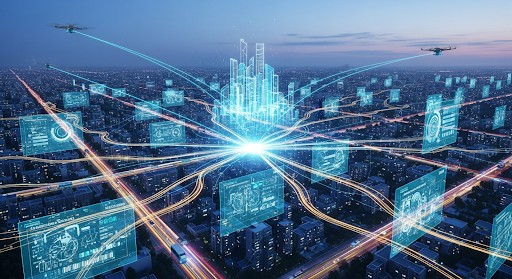
Cities are complex ecosystems where millions of daily decisions affect quality of life, public safety, infrastructure, and the environment. Managing this complexity requires more than traditional governance; it demands modern data systems that enable smart governance and provide actionable insight across urban functions. With the right technology, city administrators can anticipate issues, streamline operations, and deliver services with greater accuracy and speed. This shift is essential for cities that aim to stay resilient and responsive as populations grow and urban demands intensify.
1. Real-Time Traffic and Mobility Management
Data systems allow cities to monitor traffic patterns and mobility flows in real time. This capability helps in reducing congestion, improving safety, and optimizing transportation networks for commuters and residents.
- Traffic monitoring and dynamic routing
Real-time data from sensors and cameras helps authorities identify congestion hotspots and adjust traffic signals instantly. This reduces travel time and improves flow across major intersections, especially during peak hours.
- Public transport optimization
Data systems analyze ridership patterns and peak usage times, enabling transit agencies to adjust routes, schedules, and fleet deployment. This leads to improved service reliability and reduced waiting times for commuters.
- Emergency response coordination
Real-time mobility data supports faster routing for emergency vehicles by identifying the quickest paths during incidents. This can save critical minutes in response times, especially in densely populated areas.
- Parking management and demand prediction
Sensor-based parking systems track occupancy and guide drivers to available spots, reducing circling and emissions. Predictive analytics also help plan for future parking needs based on urban growth trends.
2. Efficient Utility and Energy Management
Modern cities rely heavily on utility systems such as water, electricity, and waste management. Data systems provide real-time visibility into usage, enabling more efficient and sustainable operations.
- Smart metering and consumption monitoring
Utility providers can track usage patterns and identify anomalies that indicate leaks or wastage. This allows timely intervention and reduces resource loss, ultimately saving costs.
- Predictive maintenance for infrastructure
Data from sensors can identify wear and tear in pipelines, electrical grids, and equipment before failures occur. Predictive maintenance minimizes downtime and extends the lifespan of infrastructure assets.
- Energy optimization and load balancing
Cities can monitor energy demand and adjust distribution to avoid overloads. This helps prevent blackouts and improves overall energy reliability.
- Waste collection and route optimization
Smart waste management systems use data to optimize collection routes and schedules. This reduces operational costs, fuel consumption, and traffic disruptions.
3. Public Safety and Emergency Management
Data systems significantly enhance public safety by enabling faster incident detection, response coordination, and risk assessment. They also support proactive strategies for crime prevention and disaster management.
- Crime mapping and trend analysis
Data systems analyze crime patterns to identify hotspots and predict potential risks. This enables law enforcement agencies to allocate resources strategically and implement targeted prevention measures.
- Real-time incident reporting
Citizens can report emergencies through integrated platforms, and authorities receive instant alerts. This improves response times and ensures timely action during critical situations.
- Disaster response and coordination
During natural disasters, data systems support real-time monitoring of conditions such as flooding, storms, and earthquakes. This helps authorities coordinate evacuation, resource allocation, and recovery efforts efficiently.
- Public safety communication systems
Data platforms enable mass alerts and communication to residents during emergencies. Timely information helps citizens stay informed and take necessary precautions.
4. Urban Planning and Development
Data systems support urban planning by providing accurate insights into population growth, land use, and infrastructure needs. This helps cities make informed decisions about development projects.
- Population and demographic analysis
Data helps track population growth, migration patterns, and demographic changes. This information guides decisions on housing, schools, and healthcare infrastructure.
- Land use and zoning optimization
Urban planners use data to analyze land utilization and plan zoning regulations. This improves land allocation and prevents overcrowding in residential or commercial areas.
- Infrastructure project planning
Data-driven planning helps prioritize infrastructure projects based on actual needs and projected demand. This ensures effective use of public funds and better long-term outcomes.
- Sustainable city growth strategies
Data supports strategies for sustainable expansion, including green spaces, public transport corridors, and energy-efficient building planning. This balances development with environmental concerns.
5. Health and Social Services Delivery
Data systems play a crucial role in managing healthcare and social service delivery. They enable efficient tracking of service utilization and improve the coordination of public welfare programs.
- Healthcare resource management
Data systems monitor hospital capacity, resource utilization, and patient flow. This helps authorities allocate resources effectively and improve healthcare service delivery.
- Public health monitoring and outbreak management
Data analytics can detect health trends and potential outbreaks early. This allows timely intervention and prevention measures to control the spread and protect public health.
- Social service program tracking
Data systems help manage welfare programs by tracking beneficiaries, eligibility, and service utilization. This ensures resources reach the right people and reduces administrative delays.
- Remote service access and telehealth support
Data-driven platforms enable citizens to access services remotely, reducing physical visits and improving convenience. This is especially beneficial for vulnerable or mobility-challenged individuals.
6. Digital Identity and Secure Citizen Services
A reliable identity system is essential for secure service delivery. Data systems support digital identity solutions that improve authentication, reduce fraud, and enable seamless access to city services.
- Secure identity verification
Digital identity systems provide reliable verification of citizen identity, reducing risks of fraud and misuse. This ensures services are delivered to legitimate users only.
- Streamlined access to services
Citizens can access multiple city services using a single digital identity, simplifying the user experience. This reduces the need for multiple registrations and paperwork.
- Improved privacy and data protection
Identity systems incorporate security protocols that protect personal data. This builds trust and ensures compliance with privacy standards.
- Reduced administrative burden
Automated identity verification minimizes manual checks and paperwork, allowing staff to focus on service delivery. This improves efficiency and reduces delays.
Conclusion
Data systems are transforming the way cities manage urban challenges by providing real-time insights, improving service delivery, and enabling informed decision-making. From mobility and utilities to public safety and social services, data-driven platforms help city administrations operate efficiently and respond proactively to emerging needs. By integrating smart governance principles and leveraging modern data tools, cities can deliver better outcomes for residents and build stronger, more resilient communities. Platforms such as GOVX.0 play a crucial role in supporting this transformation by bringing together policymakers, technology leaders, and government experts to explore advanced solutions for urban governance. Through collaboration and innovation, GOVX.0 helps cities adopt modern tools that improve service delivery, enhance citizen trust, and build a more connected urban future.