
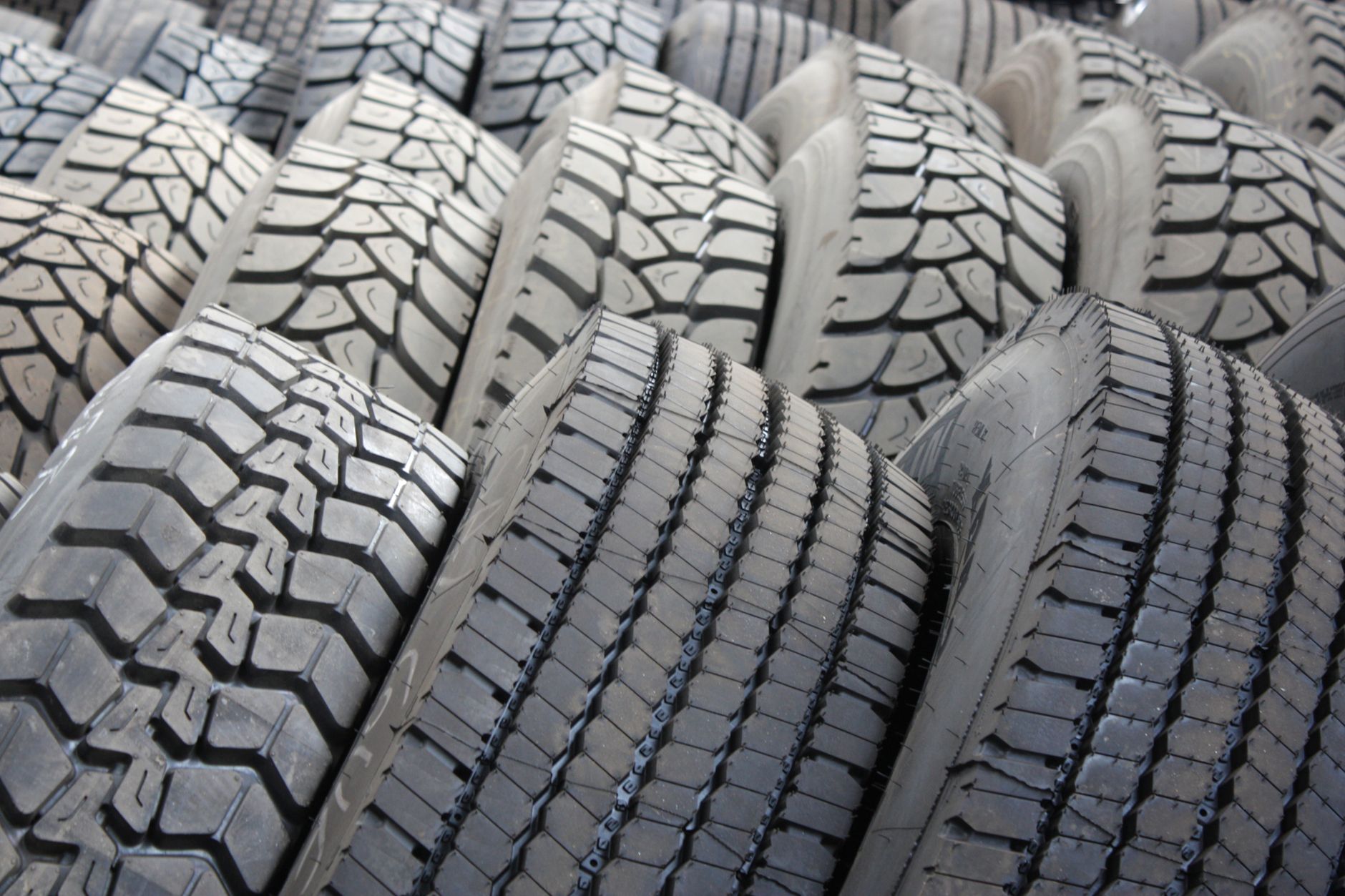
salmon-safe tires are becoming a topic of interest among environmentally conscious drivers. A recent study investigates how much these drivers would pay for tires designed to be safe for salmon habitats.
Understanding Salmon-safe Tires
Salmon-safe tires are an innovative solution designed to minimize environmental impact while driving, particularly in areas where salmon habitats are at risk. These specialized tires are engineered to reduce harmful runoff caused by traditional tire wear, which can contaminate waterways and threaten aquatic life.
Research has shown that the materials used in salmon-safe tires help prevent toxic particles from entering streams and rivers. This is especially crucial for regions where salmon spawning occurs, as even small amounts of pollution can have devastating effects on fish populations.
Drivers who choose salmon-safe tires are not only making a choice for their vehicles but also taking a stand for ecological sustainability. The benefits extend beyond just environmental impact; studies indicate that these tires offer comparable performance to standard options, ensuring safety and durability on the road.
In a recent study, participants expressed willingness to pay a premium for salmon-safe tires, recognizing their dual benefit of enhancing vehicle performance while supporting conservation efforts. This growing awareness among consumers highlights a significant shift towards eco-conscious driving practices.
As the demand for sustainable products increases, salmon-safe tires represent a promising advancement in the quest for greener transportation solutions.
The Environmental Impact of Tires
The environmental impact of traditional tires has become a growing concern among eco-conscious drivers. Conventional tires, when worn, can release harmful microplastics and chemicals into waterways, posing a significant threat to aquatic ecosystems. These pollutants can disrupt the natural habitat of salmon and other fish species, making it imperative to find sustainable alternatives.
Salmon-safe tires have emerged as a viable solution, designed specifically to minimize pollution while providing the same level of performance as traditional tires. By using eco-friendly materials and innovative manufacturing processes, these tires significantly reduce the release of harmful substances into the environment.
Key benefits of salmon-safe tires include:
- Reduced Microplastic Pollution: Engineered to decrease the shedding of microplastics during use.
- Improved Safety: Offering comparable traction and durability to standard tires.
- Positive Environmental Impact: Supporting healthy ecosystems and promoting biodiversity.
As more drivers become aware of their environmental footprint, the adoption of salmon-safe tires is expected to grow, representing a critical step towards more sustainable driving practices.
What Drivers Are Willing to Pay
Recent research has unveiled that drivers are increasingly willing to invest in salmon-safe tires as part of their commitment to environmental sustainability. The study highlighted a growing trend among consumers who prioritize eco-friendly products, even if it means spending more at the checkout.
According to the findings, approximately 75% of participants expressed a willingness to pay a premium for tires that are designed to minimize harm to aquatic ecosystems, particularly for protecting salmon populations. This willingness to pay reflects a broader shift in consumer behavior, where eco-conscious choices are becoming a priority.
Key factors influencing this decision include:
- Environmental Awareness: Many drivers are now more informed about the impact of traditional tires on wildlife and water quality.
- Long-term Savings: Some believe that investing in sustainable products can lead to lower costs through better durability and efficiency.
- Community Engagement: Consumers feel a sense of responsibility to support local initiatives aimed at preserving natural habitats.
As the market for eco-friendly products grows, the demand for salmon-safe tires is expected to rise, demonstrating the power of consumer choice in driving environmental change.
Benefits of Eco-friendly Tires
Eco-friendly tires, particularly salmon-safe tires, offer numerous benefits for environmentally conscious drivers. By prioritizing sustainability, these tires not only help protect local ecosystems but also provide a range of advantages for vehicle owners.
- Reduced Environmental Impact: Salmon-safe tires are designed to minimize pollutants that can harm aquatic habitats, particularly those of salmon and other fish species.
- Enhanced Performance: Many eco-friendly tires feature improved tread designs that enhance traction and handling, ensuring a safer driving experience.
- Fuel Efficiency: Salmon-safe tires often have lower rolling resistance, which can lead to improved fuel economy, saving drivers money over time.
- Longer Lifespan: These tires are typically made with durable materials that increase their longevity, reducing the frequency of replacements and waste.
- Consumer Appeal: With a growing number of drivers prioritizing sustainable options, choosing salmon-safe tires can enhance the appeal of a vehicle, potentially increasing its resale value.
By opting for these innovative tires, drivers not only contribute to the preservation of vital ecosystems but also enjoy tangible benefits that enhance their driving experience.
Market Trends in Sustainable Products
The market for sustainable products has been gaining momentum, particularly as consumers become more environmentally conscious. Recent studies indicate a growing interest in innovative solutions like salmon-safe tires, which are designed to minimize ecological impact while delivering high performance. As the demand for eco-friendly options increases, manufacturers are responding by developing products that align with consumer values.
Several trends have emerged as part of this shift towards sustainability:
- Increased Consumer Awareness: Drivers are now more informed about the environmental consequences of their purchases and are actively seeking products that reflect their values.
- Innovative Materials: Manufacturers are investing in research to create sustainable tire materials that reduce harm to ecosystems, particularly those affecting salmon habitats.
- Government Incentives: Various regions are implementing tax breaks and incentives for consumers who choose eco-friendly products, further encouraging the adoption of options like salmon-safe tires.
- Collaborative Efforts: Partnerships between tire manufacturers and environmental organizations are fostering innovation in sustainable technologies, enhancing the credibility and visibility of salmon-safe alternatives.
As these trends evolve, it is clear that eco-conscious drivers are leading the charge towards a greener future.
Consumer Awareness and Education
As the demand for sustainable products rises, consumer awareness surrounding salmon-safe tires is becoming increasingly important. Many drivers are now seeking information about eco-friendly options that not only benefit the environment but also enhance their driving experience.
Education plays a crucial role in promoting these innovative tires. According to recent studies, consumers are more likely to choose products that align with their values when they are informed about their benefits. To facilitate this, manufacturers and environmental organizations are working together to create informative campaigns that highlight the advantages of salmon-safe tires.
These campaigns focus on various aspects, including:
- The ecological benefits of using tires designed to minimize water pollution.
- Long-term cost savings due to improved tire longevity and fuel efficiency.
- The role of consumers in making environmentally responsible choices.
As awareness grows, it is expected that more drivers will recognize the value of investing in salmon-safe tires, resulting in a shift towards more sustainable driving practices. This collective effort not only protects aquatic ecosystems but also fosters a culture of environmental responsibility among consumers.
Photo by Javier Balseiro on Pexels