
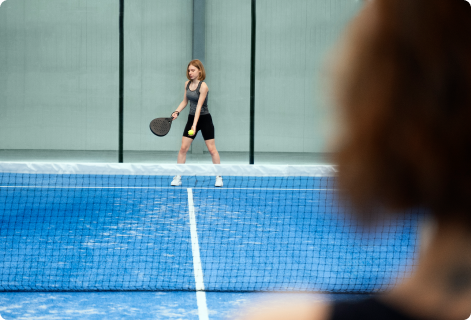
Investing in a professional padel court requires careful planning and a clear understanding of expenses. Estimating the padel court installation cost at the outset allows owners to balance quality, materials, and design preferences without compromising performance. Early cost awareness ensures smoother project execution and long-term satisfaction for players and facility managers. By considering every stage, from site selection to maintenance planning, stakeholders can make informed decisions that optimize both functionality and budget.
Site Selection and Evaluation
The site’s characteristics impact construction complexity, accessibility, and maintenance needs. Thoughtful evaluation prevents costly adjustments during construction and ensures the court performs optimally over its lifetime.
- Land dimensions and layout
The size and shape of the plot determine whether a standard or custom court is feasible. Professionals measure the area carefully to maximize space utilization, considering room for player movement, safety zones, and spectator areas. Misjudged dimensions can result in awkward layouts that compromise safety or require expensive rework. - Soil quality and drainage
Ground conditions directly affect the foundation’s stability and the court’s surface performance. A thorough assessment identifies soil composition, compaction, and drainage capacity, which influence the type of base layers needed. - Accessibility and surrounding infrastructure
Easy access to the site reduces logistical challenges during construction, particularly for transporting steel frames, glass panels, and turf rolls. Additionally, proximity to utilities such as electricity and water facilitates the installation of lighting and irrigation systems.
Design Specifications and Customization
Design decisions significantly affect the overall investment. From court dimensions to aesthetic finishes, every choice has practical and financial implications. Tailoring the court design to meet both functional requirements and aesthetic preferences ensures maximum player satisfaction and a balanced investment.
- Court dimensions and type
Standard courts follow international regulations, but panoramic or semi-enclosed designs offer enhanced visibility and spectator appeal. Customizing dimensions or court style requires additional materials, labor, and engineering adjustments, which influence the total padel court installation cost. - Surface selection and turf quality
The type of turf determines ball bounce, grip, and player comfort, all of which impact gameplay. High-quality synthetic turf provides consistent performance, durability, and reduced maintenance, but comes with higher upfront costs. Budget-friendly alternatives may save initially, but can require frequent replacement or repairs. - Fencing, lighting, and accessory options
Inclusion of tempered glass panels, robust fencing, and professional-grade lighting enhances safety, visibility, and aesthetics. Each element contributes to the padel court installation cost, but compromises in these areas can affect the court’s functionality, player experience, and lifespan. Thoughtful design ensures that these components are both visually appealing and technically effective, minimizing future upgrades or replacements.
Material Selection and Structural Integrity
High-quality materials contribute to a safe, durable, and visually appealing court. Material choices not only influence upfront costs but also long-term maintenance and structural reliability. Partnering with experienced manufacturers or a padel court construction company in Romania ensures that materials meet international standards.
- Steel framework and protective coatings
The structural steel framework provides the backbone of the court. High-grade steel treated with anti-corrosion coatings resists environmental wear, preventing rust and deformation. A robust frame ensures that fencing, lighting, and glass panels remain stable over years of use. - Glass panels and safety components
Tempered glass enhances visibility and adds to the professional appearance of the court while ensuring player safety. Proper panel thickness, edge finishing, and anchoring techniques are critical to prevent injuries during intense gameplay. - Fabrication precision and quality control
Each structural component must meet precise measurements and tolerances to ensure seamless assembly on-site. Accurate fabrication reduces installation errors, minimizes delays, and guarantees that the court meets regulatory standards. Collaborating with a trusted padel court construction company in Romania ensures that every part is tested, certified, and ready for flawless installation, safeguarding both quality and investment value.
Installation Process and Project Management
Proper installation transforms plans into a functional and long-lasting court. Effective project management ensures that the work follows specifications, deadlines are met, and quality is maintained throughout the construction phase.
- Foundation and leveling work
A perfectly leveled foundation is critical to prevent surface irregularities that affect gameplay. Foundation work involves compacting soil, installing base layers, and integrating proper drainage systems. Skipping or rushing this step can result in uneven surfaces, water accumulation, and costly remedial work in the future. - Assembly of structures and surfaces
Steel frames, fencing, glass panels, and turf are installed sequentially to guarantee structural integrity and visual harmony. Each element must align precisely to meet design specifications. Attention to detail during assembly prevents misalignments, uneven surfaces, or safety hazards, ensuring that the court is functional, durable, and visually appealing from the moment it is ready for use.
- Final inspection and adjustments
Once installation is complete, comprehensive checks verify lighting angles, net tension, surface evenness, and safety standards. Minor adjustments at this stage prevent future operational issues. Inspections also confirm that the project meets design expectations and professional quality benchmarks, ensuring a court that is safe, functional, and ready for competitive or recreational play.
Maintenance Planning and Long-Term Investment
Ongoing maintenance protects the court’s performance, appearance, and structural integrity. Planning for maintenance alongside installation ensures long-term cost efficiency and consistent play quality.
- Routine cleaning and inspection
Regular cleaning of the turf, glass panels, and fencing prevents dirt buildup, moss growth, and surface wear. Inspections detect early signs of damage, such as loose fittings or worn netting.
- Component replacement and upkeep
Nets, turf infill, and lighting elements require periodic replacement or adjustment. Scheduling these updates avoids sudden failures that can disrupt usage or compromise safety.
- Budget allocation for long-term care
Setting aside a maintenance budget during the planning stage provides clarity and prevents financial surprises. Proper allocation covers inspections, cleaning, minor repairs, and component replacements, ensuring sustainability. Working with a padel court construction company in Romania helps owners forecast these costs accurately, preserving the court’s functionality and value for years to come.
Conclusion
Planning a padel court involves a comprehensive understanding of site evaluation, design, material selection, installation, and maintenance considerations. Accounting for factors that influence the padel court installation cost ensures that the investment aligns with expected quality and performance. Platforms such as Padel Factory demonstrate that collaborating with experienced professionals and a reputable padel court construction company in Romania can result in well-executed, durable facilities. Strategic planning, material quality, and maintenance foresight allow courts to serve players effectively while providing long-term value for both private and commercial venues.
