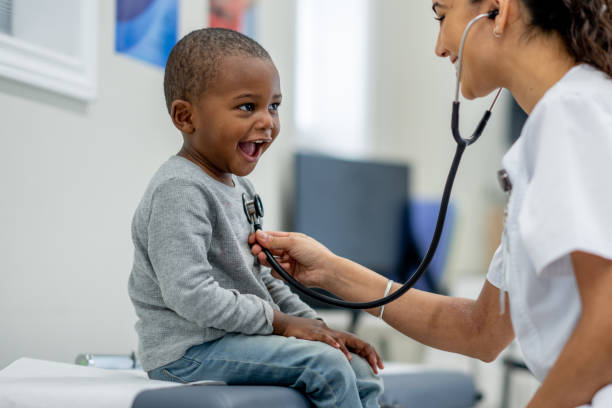
Children’s health concerns can feel overwhelming for families, especially when they involve bones, movement, or the immune system. Parents often look for clear explanations and compassionate care rather than complex medical terminology. Children and women’s hospitals play a vital role in providing specialized care while helping families understand conditions and treatment options in a calm, supportive way.
Access to a skilled pediatric orthopedic doctor and immune care specialists ensures that children receive timely diagnosis and coordinated treatment. Advances in medicine now allow many orthopedic and immune-related conditions to be managed effectively, supporting healthy growth, comfort, and long-term well-being.
Understanding Children’s Bone and Joint Health
Bones and joints are constantly changing during childhood. Growth, activity, and development all place demands on a child’s musculoskeletal system. While many aches and injuries are temporary, some conditions require medical evaluation to prevent long-term issues.
Children’s orthopedic care focuses on how bones grow, how joints move, and how muscles support everyday activities. Early assessment helps identify concerns related to posture, movement, or alignment before they affect a child’s development.
Parents may notice changes in walking patterns, pain during activity, or difficulty with movement. These signs often prompt further evaluation by specialists trained to work with growing bodies.
Role of Orthopedic Specialists in Children’s Care
Orthopedic specialists focus on diagnosing and treating conditions affecting bones, joints, and muscles. Their approach is different from adult orthopedic care because children’s bodies are still developing.
A pediatric orthopedic surgeon is involved when a condition requires advanced intervention. Surgery is considered only when non-invasive treatments are not sufficient. The goal is always to support proper growth while minimizing discomfort and recovery time.
Care plans are designed with long-term outcomes in mind, ensuring children can return to normal activities safely.
Common Orthopedic Conditions in Children
Many orthopedic concerns are treatable when identified early. Understanding common categories can help families know when to seek care.
- Growth-related bone conditions
- These may appear during growth spurts.
- Monitoring helps guide healthy development.
- Early care prevents complications.
- Injuries and fractures
- Active children are prone to falls and injuries.
- Proper treatment ensures correct healing.
- Follow-up restores strength and mobility.
- Posture and alignment concerns
- These affect walking or standing patterns.
- Therapy may correct imbalance.
- Long-term movement improves.
Diagnosis and Evaluation in Pediatric Orthopedics
Orthopedic evaluation begins with a detailed medical history and physical examination. Doctors observe how a child moves, stands, and uses their joints. Imaging such as X-rays may be used to understand bone structure and alignment.
Parents are encouraged to share observations about pain, activity level, or changes in movement. This information supports accurate diagnosis and helps guide treatment decisions.
Clear explanations are an important part of care, helping families understand findings and next steps.
Treatment Approaches for Bone and Joint Conditions
Treatment plans are tailored to each child’s needs and stage of development. Many conditions can be managed with non-surgical approaches such as physical therapy, supportive devices, or activity modification.
When surgery is required, the focus is on safety, recovery, and preserving future growth. Rehabilitation plays an important role in restoring strength and function after treatment. The goal is to help children return to daily activities with confidence and comfort.
Understanding Immune and Inflammatory Conditions in Children
The immune system protects the body from infection and illness. In some children, the immune system may become overactive or function differently, leading to ongoing inflammation or autoimmune conditions.
Specialists in immunology and rheumatology diagnose and manage these conditions using a combination of clinical evaluation, laboratory testing, and long-term monitoring. These conditions can affect joints, skin, blood, or internal organs.
Early diagnosis helps reduce symptoms and prevent long-term complications.
Common Immune and Inflammatory Concerns
Immune-related conditions vary in presentation and severity. Awareness helps families recognize when further evaluation is needed.
- Autoimmune conditions
- The immune system affects healthy tissue.
- Symptoms may include joint pain or swelling.
- Treatment focuses on balance and control.
- Inflammatory joint conditions
- These cause stiffness and discomfort.
- Early treatment improves mobility.
- Long-term care reduces flare-ups.
- Chronic immune conditions
- These require ongoing monitoring.
- Treatment plans are adjusted over time.
- Supportive care improves quality of life.
Diagnosis and Monitoring of Immune Conditions
Diagnosing immune and inflammatory conditions often involves blood tests, imaging, and careful assessment of symptoms. Doctors look for patterns that indicate immune system imbalance.
Monitoring is an ongoing process. Regular follow-up helps track response to treatment and adjust care plans as needed. Families are supported with clear explanations and guidance throughout the process. Education is a key part of care, helping families understand how conditions are managed over time.
Coordinated Care Across Specialties
Children with complex health needs often benefit from coordinated care across multiple specialties. Orthopedic and immune conditions can sometimes overlap, particularly when inflammation affects joints or mobility.
Team-based care ensures that specialists work together to create comprehensive treatment plans. This approach reduces fragmented care and supports better outcomes.
Clear communication between care teams and families is essential to ensure consistency and trust.
Supporting Children and Families
Medical care affects the entire family, not just the child. Emotional support, education, and reassurance help families navigate diagnosis and treatment with confidence.
Children and women’s hospitals emphasize compassionate care alongside medical expertise. This environment helps reduce anxiety and fosters a sense of partnership between families and healthcare providers.
Access to counseling, education, and follow-up care strengthens the overall treatment experience.
Why Early Intervention and Follow-Up is Required
Early diagnosis often leads to better outcomes for both orthopedic and immune-related conditions. Regular follow-up allows doctors to monitor growth, treatment response, and overall well-being.
Adjusting care plans as children grow ensures that treatment remains appropriate and effective. Families are encouraged to maintain open communication with care teams and attend scheduled visits. Proactive care supports long-term health and development.
Final Thoughts
Complete care for children’s bone and immune health requires expertise, coordination, and a patient-centered approach. Clear explanations, thoughtful diagnosis, and personalized treatment plans help families feel informed and supported throughout the care journey. As medical knowledge continues to advance, specialized hospitals play an essential role in delivering compassionate and comprehensive care. Ankura Hospitals for Women and Children provides integrated services across pediatric orthopedics and immune-related care, focusing on clinical excellence, family support, and long-term well-being for children and women.