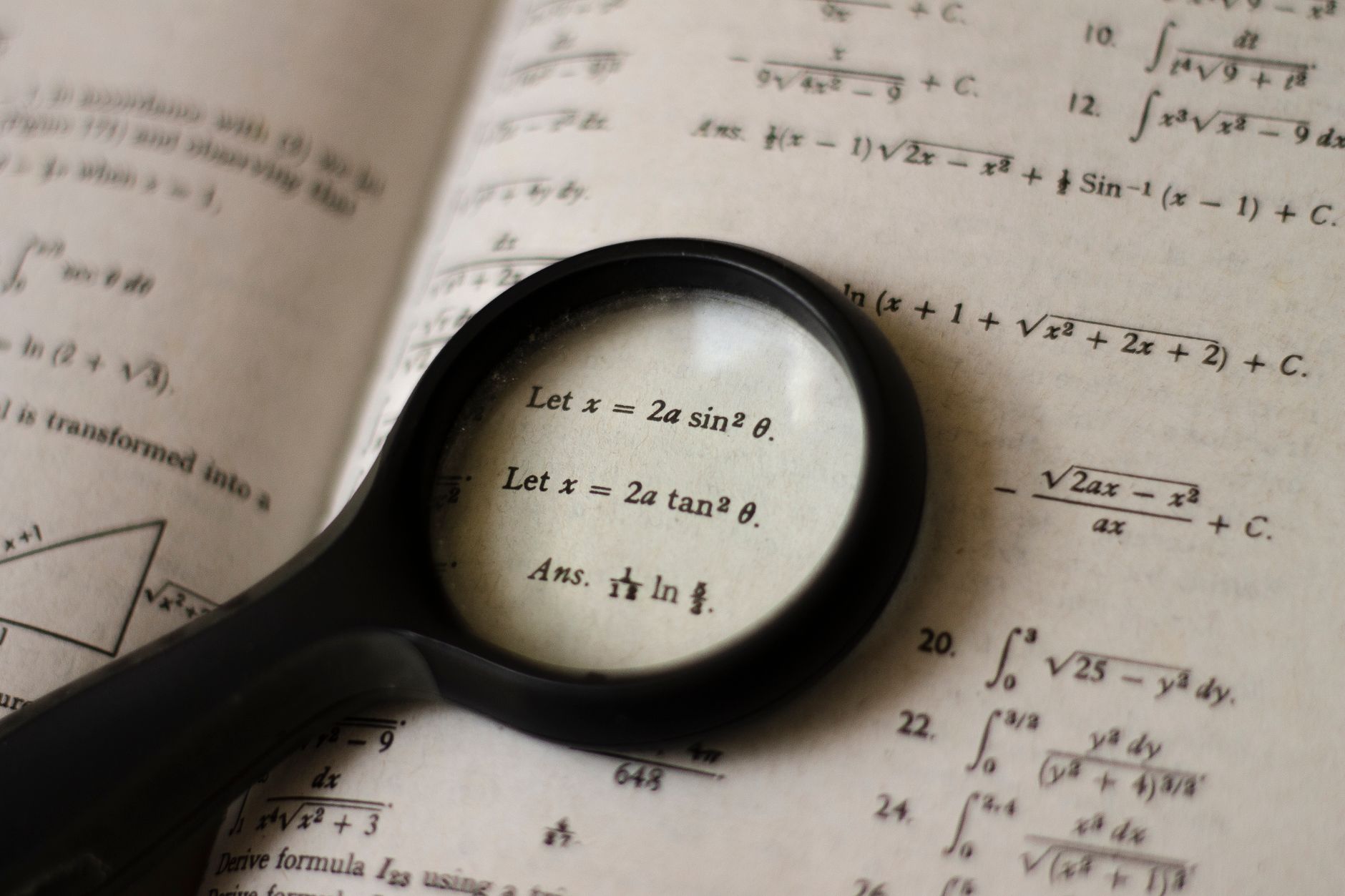
OpenAI math problem findings provide valuable insights into solving challenging math problems. This release sheds light on innovative approaches and methodologies that can enhance problem-solving skills for learners and educators alike.
Overview of OpenAI’s Findings
OpenAI has recently unveiled its findings on hundreds of math problems, shedding light on effective problem-solving strategies. These findings reveal a significant advancement in understanding how AI can tackle mathematical challenges, showcasing a variety of approaches that range from basic arithmetic to complex equations.
The research highlights several key strategies that have proven effective in solving math problems, emphasizing the importance of systematic approaches. Among the strategies identified are:
- Breaking down problems: Dividing complex problems into smaller, more manageable parts allows for clearer analysis.
- Utilizing visual aids: Graphs and diagrams can enhance comprehension, making it easier to visualize relationships and patterns.
- Trial and error: Iterative testing of solutions can lead to discovering the most effective methods.
- Collaboration: Working with others can provide new insights and diverse perspectives on problem-solving.
These findings on OpenAI math problem strategies not only contribute to the field of artificial intelligence but also offer valuable insights for educators and students alike. By understanding and applying these proven techniques, individuals can enhance their mathematical abilities and foster a deeper appreciation for the subject.
Impact on Math Education
The recent OpenAI math problem findings have the potential to significantly impact math education across various levels. By analyzing a vast array of mathematical problems, OpenAI has identified effective strategies that can enhance students’ understanding and problem-solving skills. These findings offer educators valuable insights into how students approach math challenges and the common pitfalls they encounter.
One of the key implications of these findings is the emphasis on tailored teaching methods. Traditional approaches may not address the diverse learning styles present in a classroom. The strategies revealed by OpenAI suggest that personalized instruction can lead to better outcomes. For instance, educators can incorporate more hands-on activities and real-world applications to make abstract concepts more relatable.
In addition, the findings highlight the importance of fostering a growth mindset among students. Encouraging learners to view challenges as opportunities for growth can lead to increased resilience and persistence in tackling difficult problems. This shift in perspective can transform the learning environment into one where mistakes are seen as stepping stones rather than setbacks.
Overall, the OpenAI math problem findings pave the way for innovative teaching practices that prioritize understanding and engagement, ultimately aiming to improve math education for future generations.
Key Strategies for Problem Solving
Recent findings from OpenAI on a multitude of math problems have shed light on effective strategies that can enhance problem-solving skills among students and educators alike. These strategies emerged from analyzing how AI models tackled complex mathematical challenges, offering valuable insights into best practices.
- Understanding the Problem: One of the key strategies emphasized in the OpenAI math problem findings is the importance of thoroughly understanding the problem before attempting to solve it. Students are encouraged to break down problems into smaller, manageable parts, ensuring they grasp the concepts involved.
- Utilizing Visual Aids: Incorporating visual aids, such as diagrams and graphs, can significantly improve comprehension and retention. OpenAI’s analysis reveals that models performing well often utilized visual representations to grasp relationships within the problems.
- Practice and Repetition: Regular practice is vital. The findings suggest that consistent exposure to various problem types helps reinforce skills and build confidence. Engaging with diverse problems allows learners to adapt their strategies effectively.
- Collaborative Learning: Furthermore, collaboration among peers can lead to a deeper understanding of mathematical concepts. Sharing different approaches can expose students to alternative methods that they might not have considered.
These strategies, illuminated by OpenAI’s research, provide a roadmap for enhancing mathematical problem-solving capabilities in educational settings.
Future of AI in Math
The future of AI in math is poised for transformative advancements, particularly following OpenAI’s recent findings on hundreds of math problems. As these technologies continue to evolve, we can expect to see significant improvements in various educational and practical applications.
One of the most promising aspects of AI integration in math is the ability to provide personalized learning experiences. AI-driven tools can analyze a student’s strengths and weaknesses, offering tailored problem sets that adapt to their individual pace. This capability not only enhances comprehension but also encourages a deeper engagement with mathematical concepts.
Moreover, the use of AI in analyzing complex mathematical problems can lead to the development of new strategies and techniques. OpenAI’s math problem findings suggest that machine learning algorithms can uncover patterns and solutions that may not be immediately evident to human mathematicians. This collaboration between human intuition and machine efficiency could pave the way for groundbreaking discoveries in mathematics.
As educators embrace these technologies, the role of AI in math will likely expand beyond just problem-solving. It could facilitate collaborative learning environments where students work alongside AI systems, fostering a culture of innovation and inquiry.
In conclusion, the intersection of AI and mathematics is an exciting frontier, promising to enhance both learning and problem-solving capabilities in profound ways.
Conclusion and Implications
In conclusion, the recent OpenAI math problem findings highlight significant advancements in understanding how artificial intelligence can enhance mathematical problem-solving. The implications of these findings are vast, influencing both educational practices and the development of AI technologies. Educators are encouraged to integrate these insights into their curricula, fostering a more engaging learning environment that leverages AI tools.
As we have seen, the key strategies identified not only improve problem-solving skills but also encourage critical thinking and creativity among students. By adopting these strategies, educators can better prepare students for a future where AI plays an integral role in various fields, including mathematics. The findings suggest that when students collaborate with AI, they can achieve deeper comprehension and greater proficiency in math.
Looking ahead, the future of AI in math education appears promising. Continuous research and development in this area will likely yield even more effective strategies, ultimately transforming how math is taught and learned. As institutions embrace these innovations, we can expect to see a generation of learners who are not only adept at solving mathematical problems but are also skilled in utilizing technology as a collaborative partner in their educational journey.
The recent OpenAI math problem findings have shed light on the most effective strategies for tackling complex equations. By analyzing various approaches, researchers are now able to leverage these OpenAI math problem findings for improved problem-solving techniques.
Photo by Nothing Ahead on Pexels