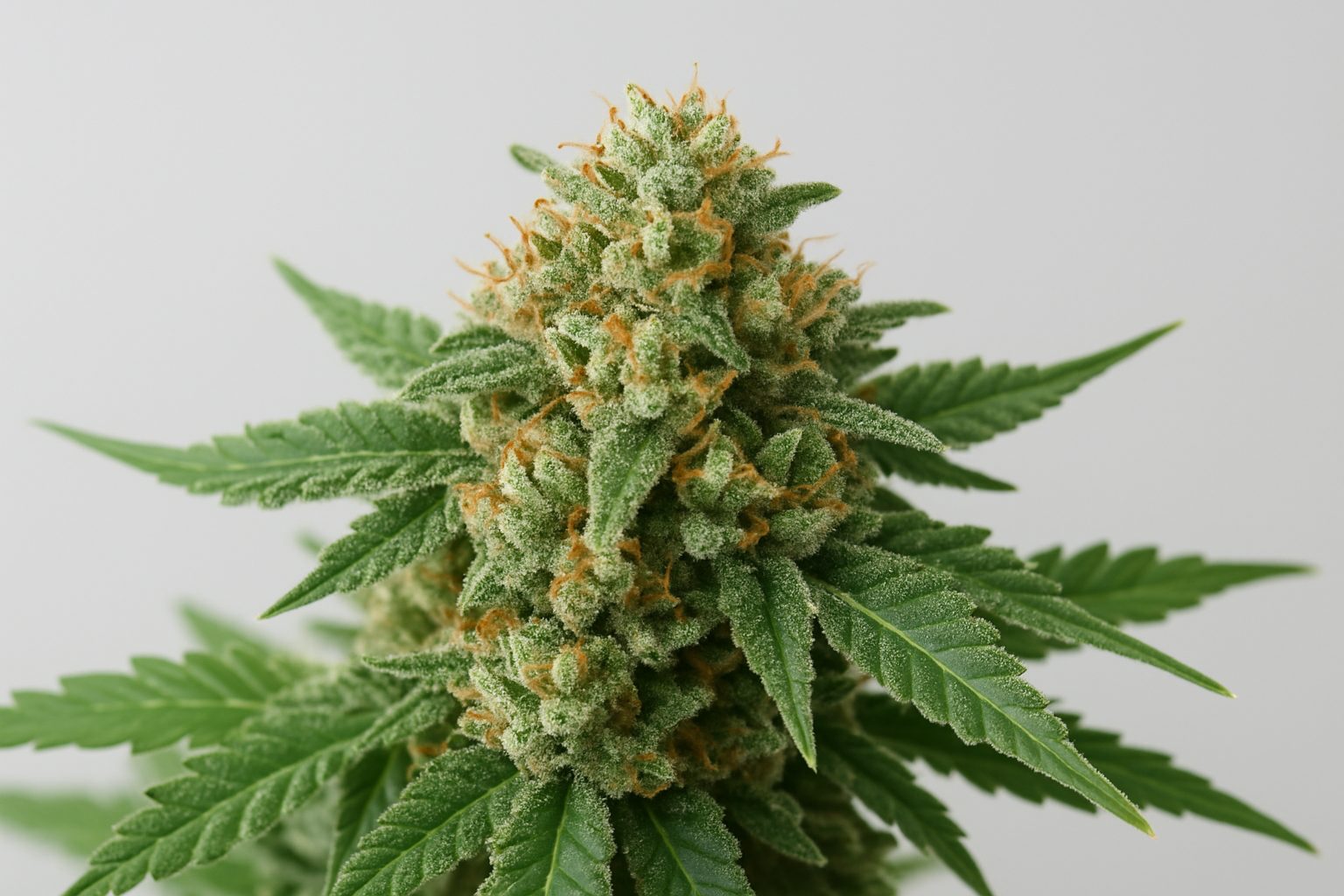
Exploring cannabis products becomes easier when shoppers understand the terminology used to describe different varieties. The traditional Indica vs sativa classification offers a familiar starting point for comparing cannabis options, but today’s market includes a much broader range of genetic and chemical profiles. Looking beyond the category label toward cannabinoids, terpenes, product formats, and individual characteristics can help create a clearer and more informed approach to exploring available choices.
Jump To
- What’s Covered
- What’s Covered
- What’s Covered
- Start With the Product Category
- Consider the Type of Cannabis Product
- Look Beyond THC Alone
- Pay Attention to Terpene Profiles
- Explore Hybrid Options
- Compare Individual Cultivars
- Think About Aroma and Flavor
- Use Product Information as a Complete Picture
- Keep Personal Preferences in Mind
- Why a Broader Approach Works
- Conclusion
- What You Need to Know
- What You Need to Know
- What You Need to Know
What’s Covered
- What’s Covered
- What’s Covered
- Start With the Product Category
- Consider the Type of Cannabis Product
- Look Beyond THC Alone
- Pay Attention to Terpene Profiles
- Explore Hybrid Options
- Compare Individual Cultivars
- Think About Aroma and Flavor
- Use Product Information as a Complete Picture
- Keep Personal Preferences in Mind
- Why a Broader Approach Works
- Conclusion
- What You Need to Know
- What You Need to Know
What’s Covered
- What’s Covered
- Start With the Product Category
- Consider the Type of Cannabis Product
- Look Beyond THC Alone
- Pay Attention to Terpene Profiles
- Explore Hybrid Options
- Compare Individual Cultivars
- Think About Aroma and Flavor
- Use Product Information as a Complete Picture
- Keep Personal Preferences in Mind
- Why a Broader Approach Works
- Conclusion
- What You Need to Know
What’s Covered
- Start With the Product Category
- Consider the Type of Cannabis Product
- Look Beyond THC Alone
- Pay Attention to Terpene Profiles
- Explore Hybrid Options
- Compare Individual Cultivars
- Think About Aroma and Flavor
- Use Product Information as a Complete Picture
- Keep Personal Preferences in Mind
- Why a Broader Approach Works
- Conclusion
Start With the Product Category
Indica and sativa are traditional classifications that originated from differences in cannabis plant characteristics. Indica-associated plants are generally recognized for shorter, compact growth and broader leaves, while sativa-associated plants traditionally develop taller structures and narrower leaves.
These distinctions can help shoppers understand the general background of a variety. They are most useful as an introduction before examining the specific details presented for an individual product.
Consider the Type of Cannabis Product
Cannabis options are available in several formats, including flower, pre-rolls, concentrates, and edible products. Each format presents different information that shoppers may want to review.
Flower, for example, allows consumers to explore physical characteristics such as appearance and aroma. Other formats may place greater emphasis on cannabinoid concentration, serving information, ingredients, or product composition.
Understanding the format can therefore make product comparisons more organized.
Look Beyond THC Alone
THC is one of the most recognized cannabinoids in cannabis and is commonly displayed as a percentage or concentration on product information. Comparing THC levels can provide a measurable way to distinguish between products.
However, THC is only one component of the overall profile. CBD and other cannabinoids can also contribute to the composition of a particular product, making a broader cannabinoid review useful when exploring different options.
Pay Attention to Terpene Profiles
Terpenes contribute to the aroma and flavor characteristics of cannabis. Different combinations can produce citrus, floral, earthy, pine, herbal, fruity, or spicy profiles.
For shoppers who have specific aroma or flavor preferences, terpene information can be particularly useful. It can also explain why two products with the same traditional classification may have distinctly different sensory characteristics.
Explore Hybrid Options
Modern cannabis breeding has produced numerous hybrid varieties that combine genetics from different lineages. These products expand the range of characteristics available beyond traditional indica and sativa categories.
Some hybrids may lean toward one traditional classification, while others incorporate characteristics associated with both. This broad selection gives shoppers additional opportunities to explore different combinations of aroma, flavor, appearance, and cannabinoid composition.
Compare Individual Cultivars
A category label does not describe every detail of an individual cultivar. Genetics can influence plant structure, flower development, aroma, terpene production, and cannabinoid content.
For this reason, comparing specific cultivars can be more informative than comparing categories alone. Product names, genetic descriptions, laboratory information, and detailed profiles can all contribute to a better understanding of individual options.
Think About Aroma and Flavor
Sensory characteristics can be important when exploring cannabis. Flower may present distinctive aromas before consumption, while terpene composition can contribute to its flavor profile.
Consumers can use these characteristics to identify patterns in their preferences. Someone who enjoys citrus-forward profiles, for example, may choose to explore products with aromatic information that reflects those qualities.
Use Product Information as a Complete Picture
The most useful approach is to combine multiple details rather than depending on one characteristic. Traditional category, cannabinoid content, terpene profile, genetics, product format, appearance, aroma, and available serving information can all contribute to product evaluation.
This broader perspective is especially valuable because modern cannabis genetics frequently overlap traditional classifications.
Keep Personal Preferences in Mind
Cannabis experiences can vary between individuals. Factors such as personal tolerance, biology, consumption method, serving size, and product composition can influence individual responses.
Recording preferences for aromas, flavors, formats, and product profiles can help shoppers understand their own selections over time. This turns product exploration into a more personalized process.
Why a Broader Approach Works
Traditional classifications provide useful terminology, while detailed product information adds specificity. Combining the two gives shoppers a practical way to navigate a diverse cannabis market without treating indica and sativa as rigid categories.
As cannabis varieties continue to develop, having a basic understanding of both traditional labels and modern product information can make browsing more straightforward and informative.
Conclusion
Navigating cannabis options starts with understanding the traditional indica and sativa classifications, but effective comparison involves a much wider range of characteristics. Cannabinoid levels, terpene profiles, genetics, product formats, aroma, flavor, and hybrid varieties all contribute to the diversity of today’s cannabis market. By considering these factors together, shoppers can explore available options with greater clarity while developing a more personalized understanding of the products they encounter.
What You Need to Know
- Indica plants are typically shorter and have broader leaves, while sativa plants are taller with narrower leaves.
- Cannabis products are available in various formats, such as flower, pre-rolls, concentrates, and edibles, each with different information to consider.
- THC is a prominent cannabinoid but should not be the sole focus when evaluating cannabis products, as CBD and other cannabinoids also contribute to the overall profile.
- Terpenes impart distinct aroma and flavor characteristics, with specific combinations producing a range of sensory profiles that can aid consumer choice.
- Modern cannabis breeding has resulted in hybrid varieties that blend characteristics from both indica and sativa categories, offering a wider range of options.
- Factors like personal tolerance and consumption method can impact individual responses to cannabis, making personal preference recordings beneficial for informed selections.
What You Need to Know
- The traditional Indica vs sativa classification provides a starting point for understanding cannabis varieties but does not encompass the full range of genetic and chemical profiles available today.
- Cannabis products come in several formats, including flower, pre-rolls, concentrates, and edibles, each requiring different types of information for effective comparison.
- Beyond THC levels, a broader cannabinoid profile that includes CBD and other cannabinoids is essential for a comprehensive exploration of cannabis options.
- Terpenes play a significant role in determining the aroma and flavor of cannabis and can significantly differ between products that share the same traditional classification.
- Hybrids have emerged from modern breeding to combine characteristics of both indica and sativa, offering a wider selection for consumers to explore.
- Individual preferences in aroma, flavor, and effects can guide consumers in selecting cannabis products, making it important to consider personal experiences alongside product information.
What You Need to Know
- The traditional Indica and sativa classifications help shoppers understand the general background of cannabis varieties.
- Cannabis products are available in several formats, including flower, pre-rolls, concentrates, and edibles, each requiring different product information review.
- THC is commonly displayed on cannabis products but is only one component of the overall cannabinoid profile, making a broader review necessary.
- Terpenes significantly contribute to the aroma and flavor of cannabis and can vary greatly even between products with the same traditional classification.
- Modern cannabis breeding has led to numerous hybrid varieties that expand the range of characteristics beyond traditional classifications.
- Individual responses to cannabis can vary significantly, influenced by personal tolerance, biology, and consumption method, making personal preference crucial.